Harp Wood
About
Description
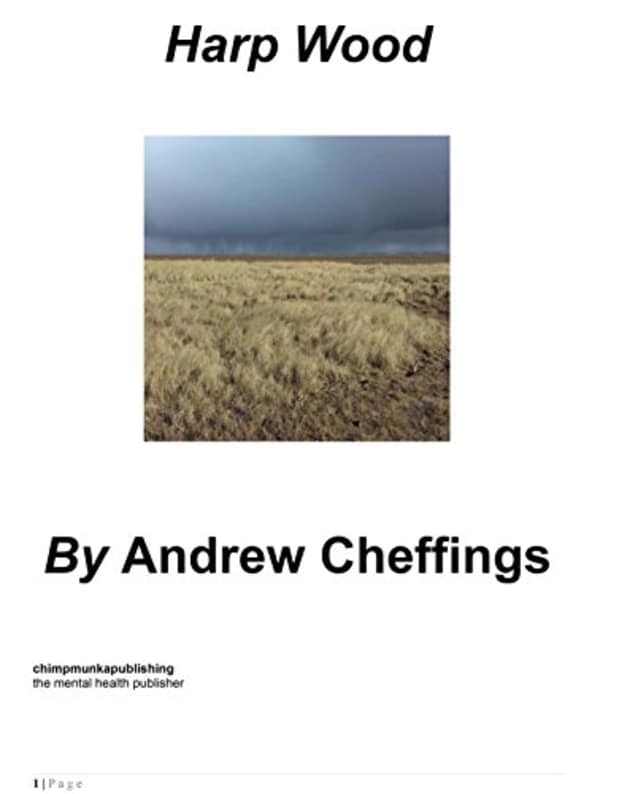
In the 1980s, following decades of agricultural and the resulting cultural decline on the Lincolnshire Marsh, there was a sudden and unexpected springing of optimism. People opened odd businesses in remote houses far along marsh lanes. They were getting crafty, making strange objects from wood, taking moody photographs of collapsed trees and choreographing radical circle dances. It was a time of dreams and possibilities. There were still at least 12 farms, or almost-farms in the village. Now there is only one. Hedges have been grubbed up, old gates removed to make way for huge machines. The land has been scraped. The little, radical businesses are now commuter and retirement homes. Summer was short, Autumn was cruel, it’s Winter once more. I wanted to make a happier ending, so I fictionalised the time and inhabited it with people too bizarre and full of life to ever give up on the place.
The Marsh was a blank canvass of empty fields on which the hopeful could project their dreams, and no doubt still do. There is no permanence but continuity would be nice.
About the Author
Andrew Cheffings was born on a small working farm on the Lincolnshire Marsh. But the local small farming culture he was born into was gradually coming to an end after a long decline following the Enclosures, almost two centuries before. His Grandfather still spoke N. Lincolnshire dialect and had a store of stories, aurally transmitted through the generations. Evenings with him were often spent enjoying these stories and those of his Grandmother, who had written a few down decades earlier and sent them to the ‘Farmers’ Weekly’ who published them in their magazine during the second world war.
Life on the farm had its difficulties. And Andrew’s father remembered a time when every winter was spent digging long trenches by hand, right across the wide, heavy clay fields of the farm, back and forth, right through the day, in order to drain the water-logged earth.
Andrew's stories reflect his experiences of growing up in a challenging local culture which was in terminal decline, but which was still rich in stories and traditions. And into these stories, he weaves threads of the new life which was being imposed (supposedly by economic realities) and was gradually taking its place. His stories are healings, processing and resolving the wounds where local tradition and colonial modernism meet.
Join Andrew for: local places/local culture through a Queer lens; Queer Romance; a spirituality grounded in Queer Ecology.